Soft-Tissue GraftingIn IRVINE, CA
If you’ve noticed gum recession, root sensitivity, or changes in your smile, soft-tissue grafting can help restore protection and stability. Our goal is to treat the underlying issue thoughtfully and create long-term, maintainable results.
What is soft-tissue grafting?
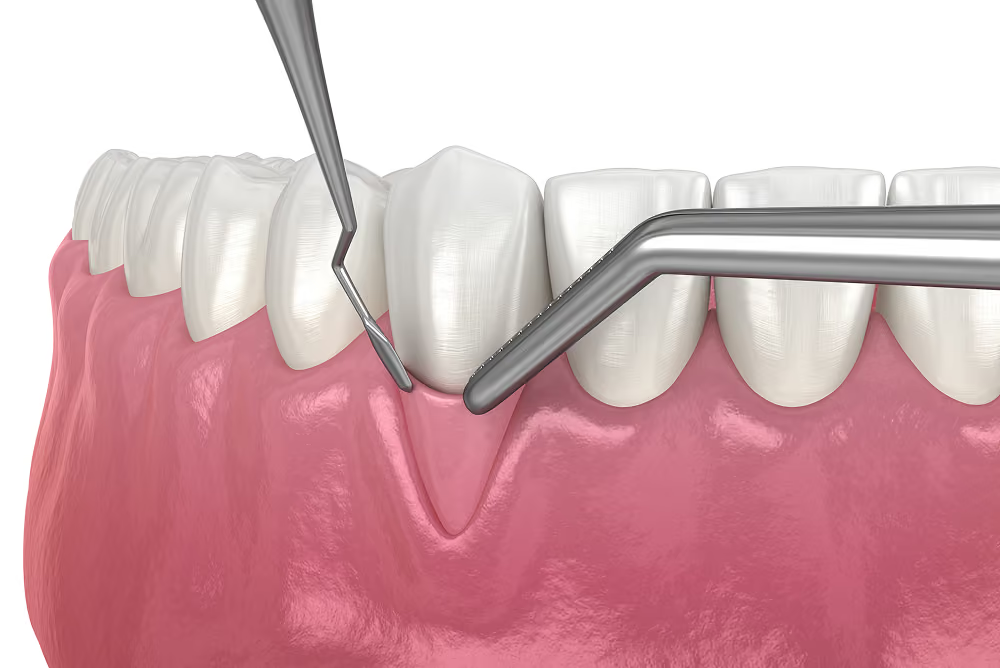
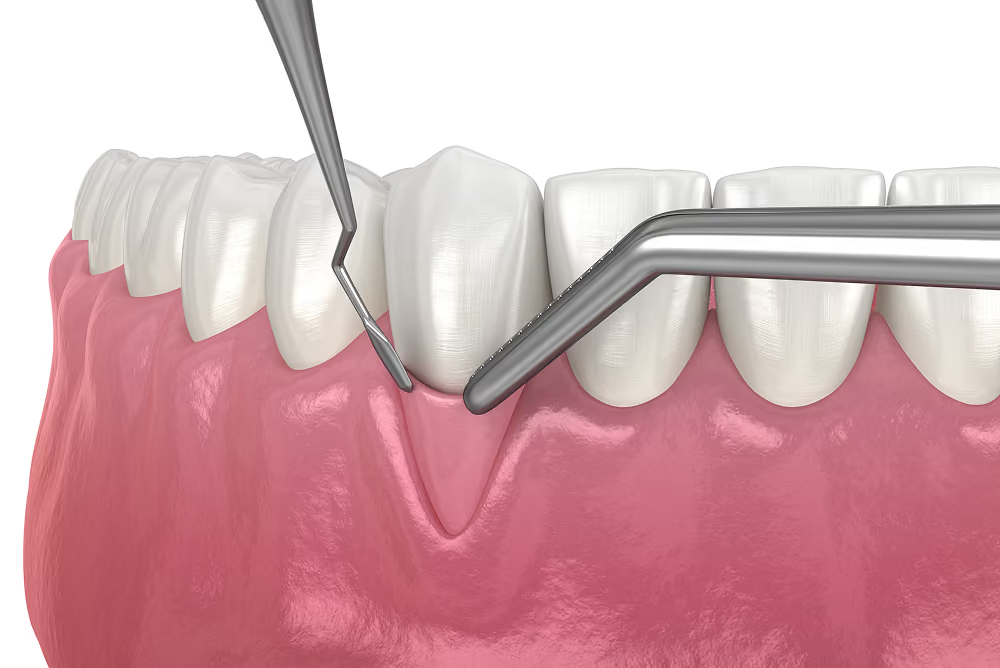
Soft-tissue grafting is a surgical procedure used to treat gum recession and areas where the root surface has become exposed. Recession can occur due to periodontal disease, aggressive brushing, thin tissue, or long-term inflammation. When gum tissue pulls away from the tooth, it can lead to sensitivity, increased risk of decay, and aesthetic concerns.
We evaluate the cause and severity of recession before recommending treatment. Depending on your needs, grafting may involve your own tissue or an acellular dermal matrix to restore and strengthen the gumline. Our focus is always on restoring a stable, healthy environment that protects your teeth long term.
The benefits of soft-tissue grafting
Soft-tissue grafting is designed to protect exposed roots, improve comfort, and create a healthier gumline. When performed appropriately, it supports both function and long-term stability.
Reduce root sensitivity
Covering exposed root surfaces can significantly reduce sensitivity to hot, cold, and brushing.
Protect against further damage
Recession can increase the risk of root decay and additional bone loss. Strengthening the gumline helps protect the underlying structures.
Improve smile aesthetics
In some cases, grafting can create a more even gumline and improve overall smile harmony, particularly when recession affects visible front teeth.
Our soft-tissue grafting treatments
Connective tissue grafting
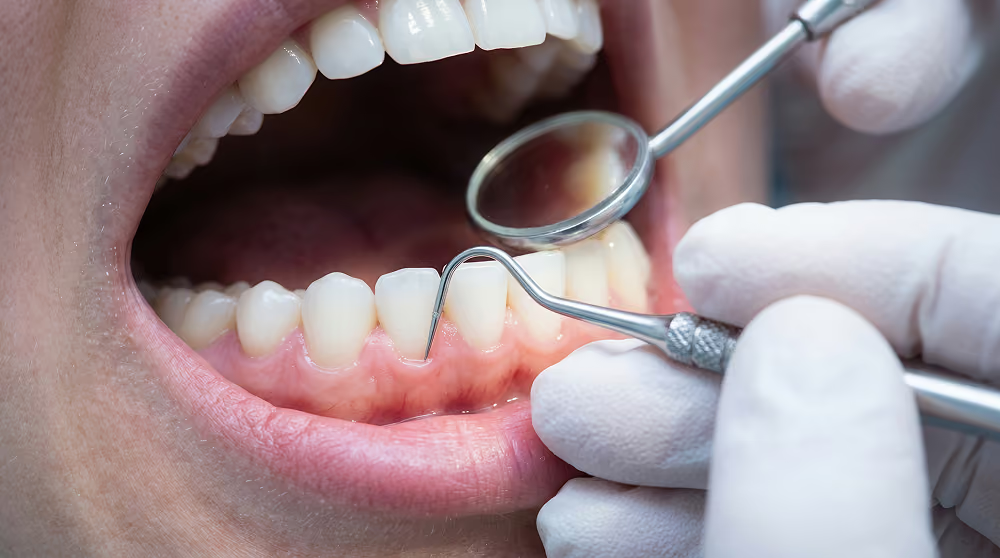
Connective tissue grafting is a commonly used technique to treat moderate to advanced gum recession. Tissue is carefully positioned to cover exposed roots and strengthen the gumline. This approach helps create a thicker, more stable band of tissue around the tooth. Our focus is on precision and long-term predictability, ensuring the area heals properly and remains maintainable over time.
Acellular dermal matrix grafting
In certain cases, an acellular dermal matrix material may be used instead of harvesting tissue from another area of your mouth. This approach can reduce the need for a second surgical site while still supporting gum coverage and stability. We evaluate each case carefully to determine which technique will provide the most reliable outcome for your situation.
Pinhole surgical technique (PST)
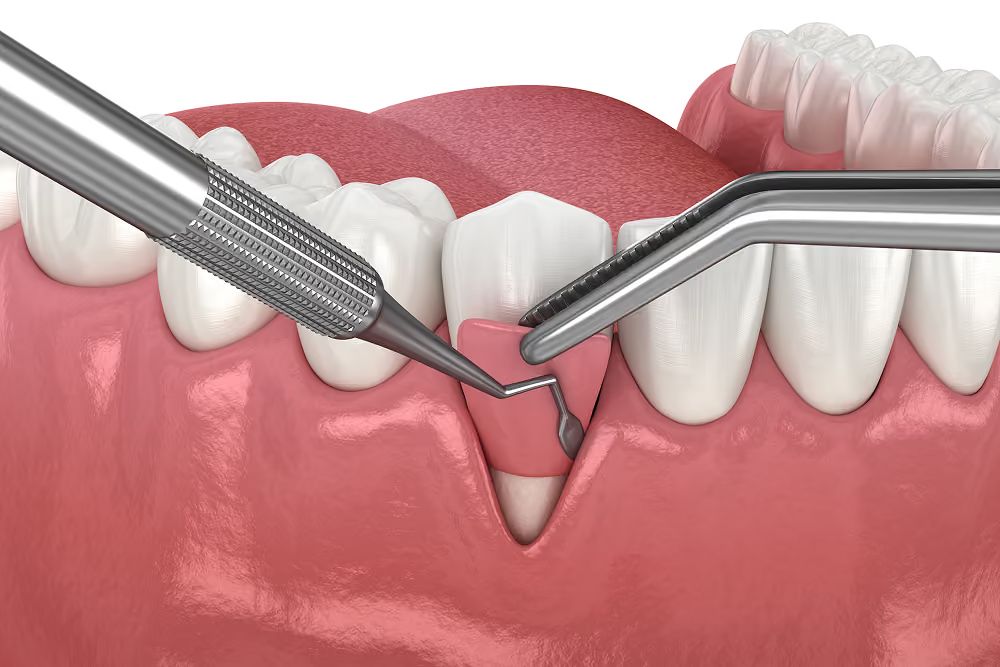
For select patients, the pinhole surgical technique (PST) may be an option. This minimally invasive approach allows for repositioning of gum tissue without traditional grafting incisions. While not appropriate for every case, it can offer an alternative solution when conditions are favorable. During your consultation, we will determine whether this technique is suitable for you.
The soft-tissue grafting process
Detailed evaluation and diagnosis
We begin by measuring the extent of recession and evaluating tissue thickness, bone levels, and contributing factors. Understanding the cause of recession is essential to creating a predictable treatment plan.
Surgical grafting procedure
During the procedure, tissue is positioned or placed to cover exposed roots and strengthen the gumline. For patients who need additional comfort, coordinated conscious sedation with a dedicated anesthesiologist is available when appropriate.
Healing and long-term maintenance
After surgery, we monitor healing closely and provide clear home care instructions. Ongoing periodontal maintenance visits help protect the results and support long-term stability.
See how soft-tissue grafting can restore your gumline
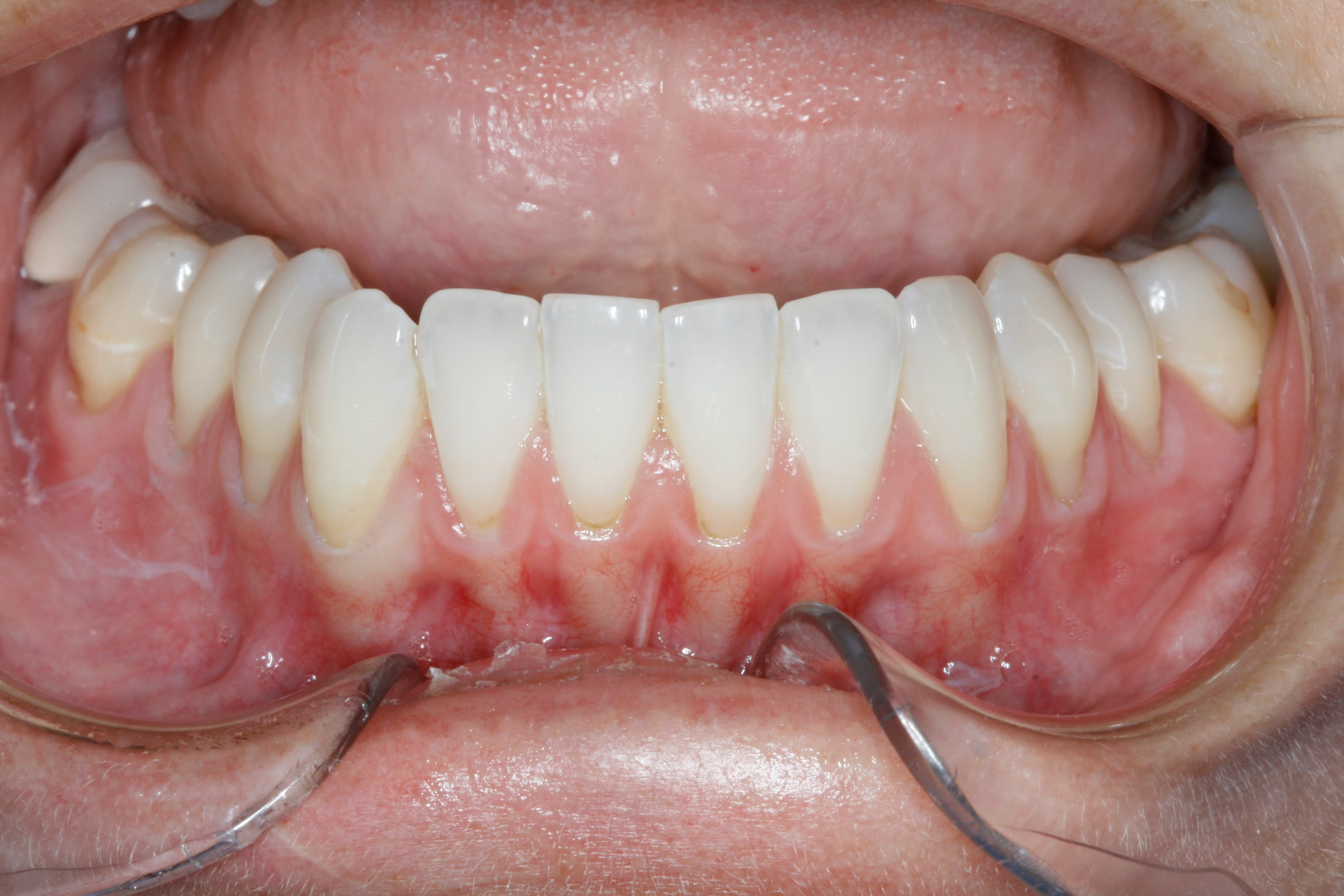
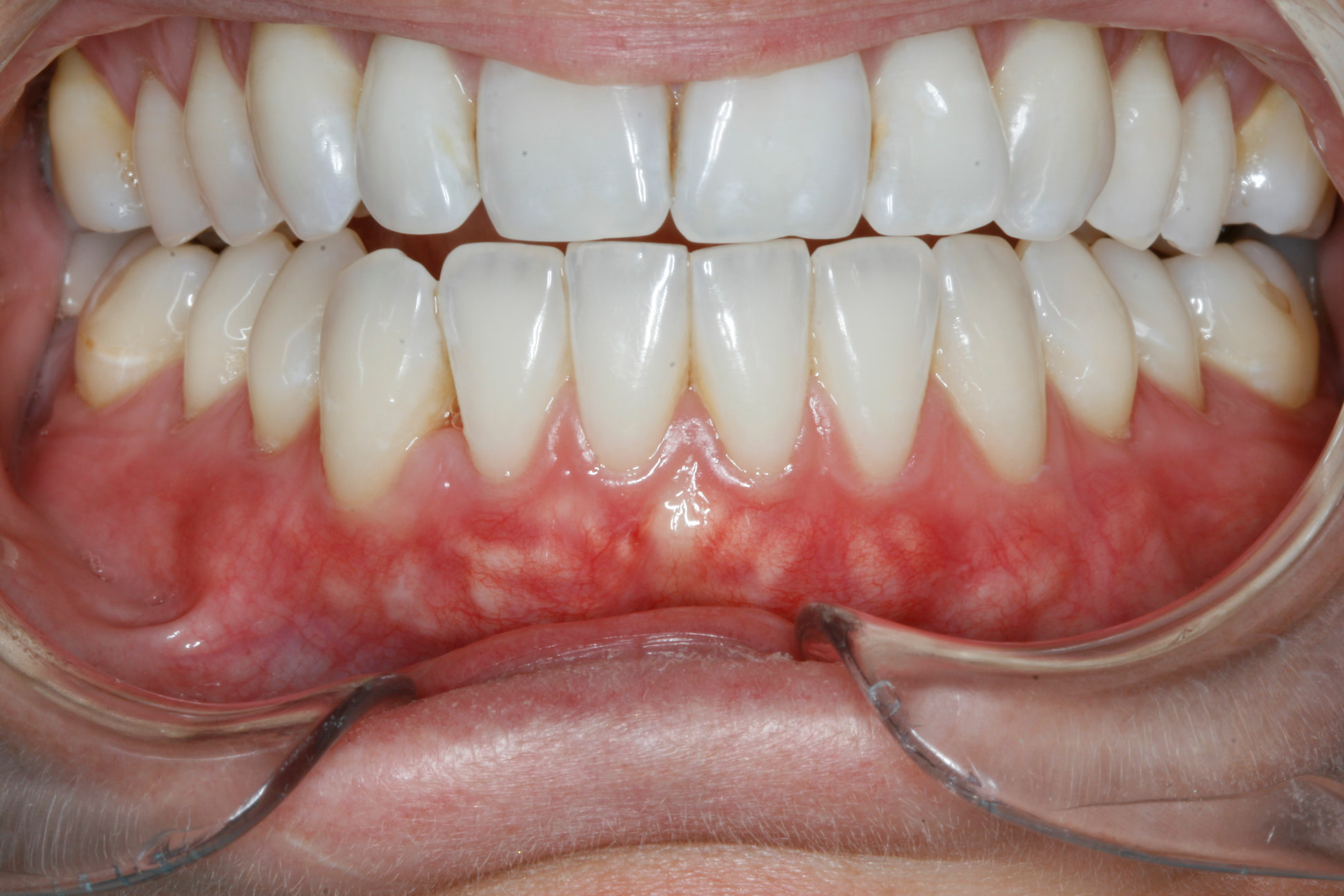
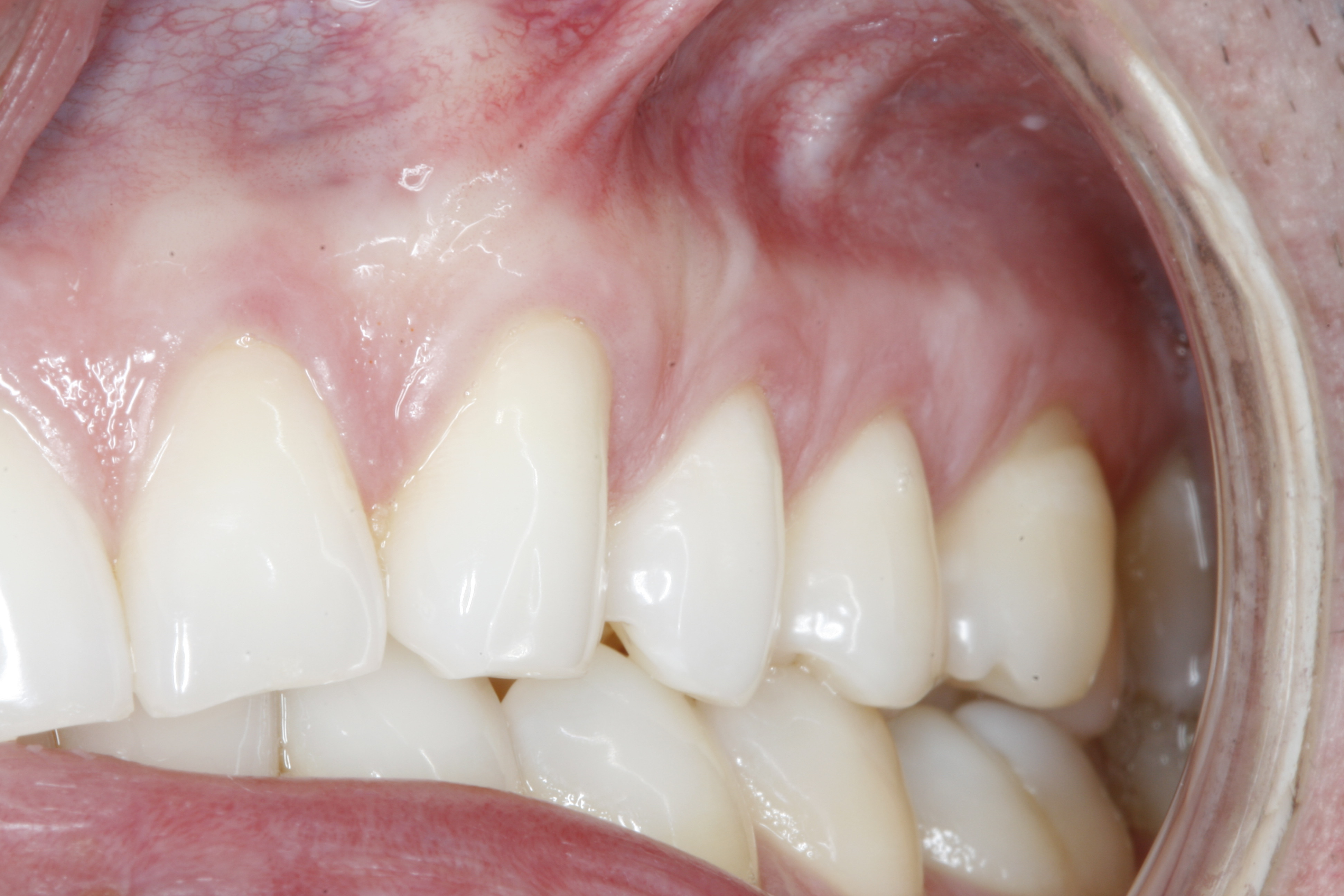
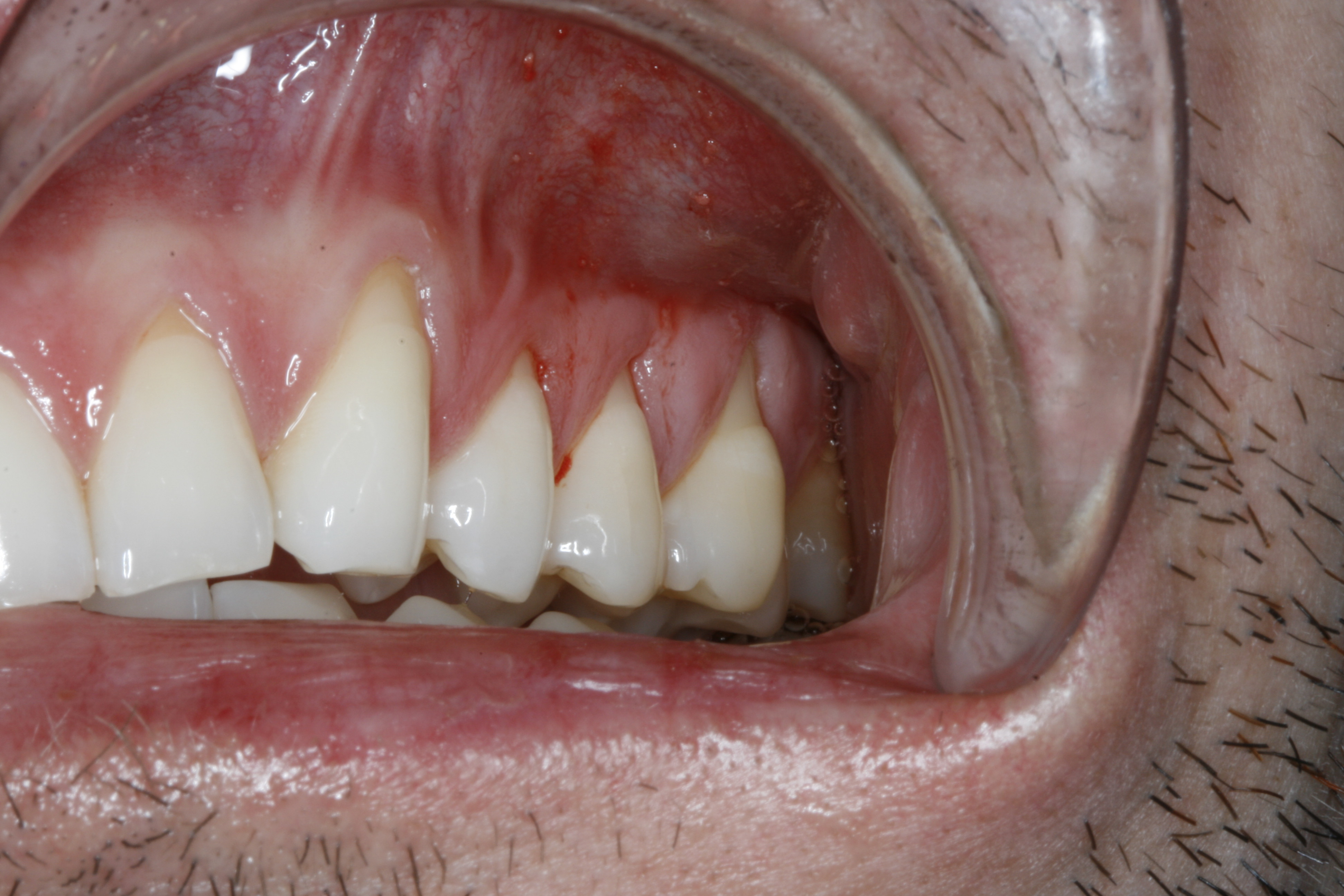
Explore our before and after gallery to see how gum recession treatment can improve protection, comfort, and aesthetics.
Frequently Asked Questions
While gum recession may not always cause pain, it can expose the root surface and increase the risk of sensitivity, decay, and further bone loss. Addressing recession early can help protect your teeth and maintain long-term stability.
Most patients tolerate grafting procedures well. We use techniques designed to promote efficient healing, and comfort options such as coordinated conscious sedation with a dedicated anesthesiologist when appropriate.
Our goal is to create a healthy, stable gumline that blends naturally with surrounding tissue. With careful technique and proper healing, grafted areas are designed to look and function naturally.
Still have questions?
We’re here to provide clarity and guidance. Contact our office to learn more or schedule your consultation.
Monday: 8:00 AM – 4:30 PM
Tuesday: 8:00 AM – 5:00 PM
Wednesday: 8:00 AM – 3:30 PM
Thursday: 8:00 AM – 5:00 PM
Friday: 7:00 AM – 2:30 PM
Saturday & Sunday: Closed