Periodontal CareIn IRVINE, CA
If you’ve been told you have gum disease or are unsure why you were referred to a periodontist, we’re here to provide clarity and lasting solutions. Our focus is on stabilizing your oral health and helping you maintain it for years to come.
What is periodontal care?
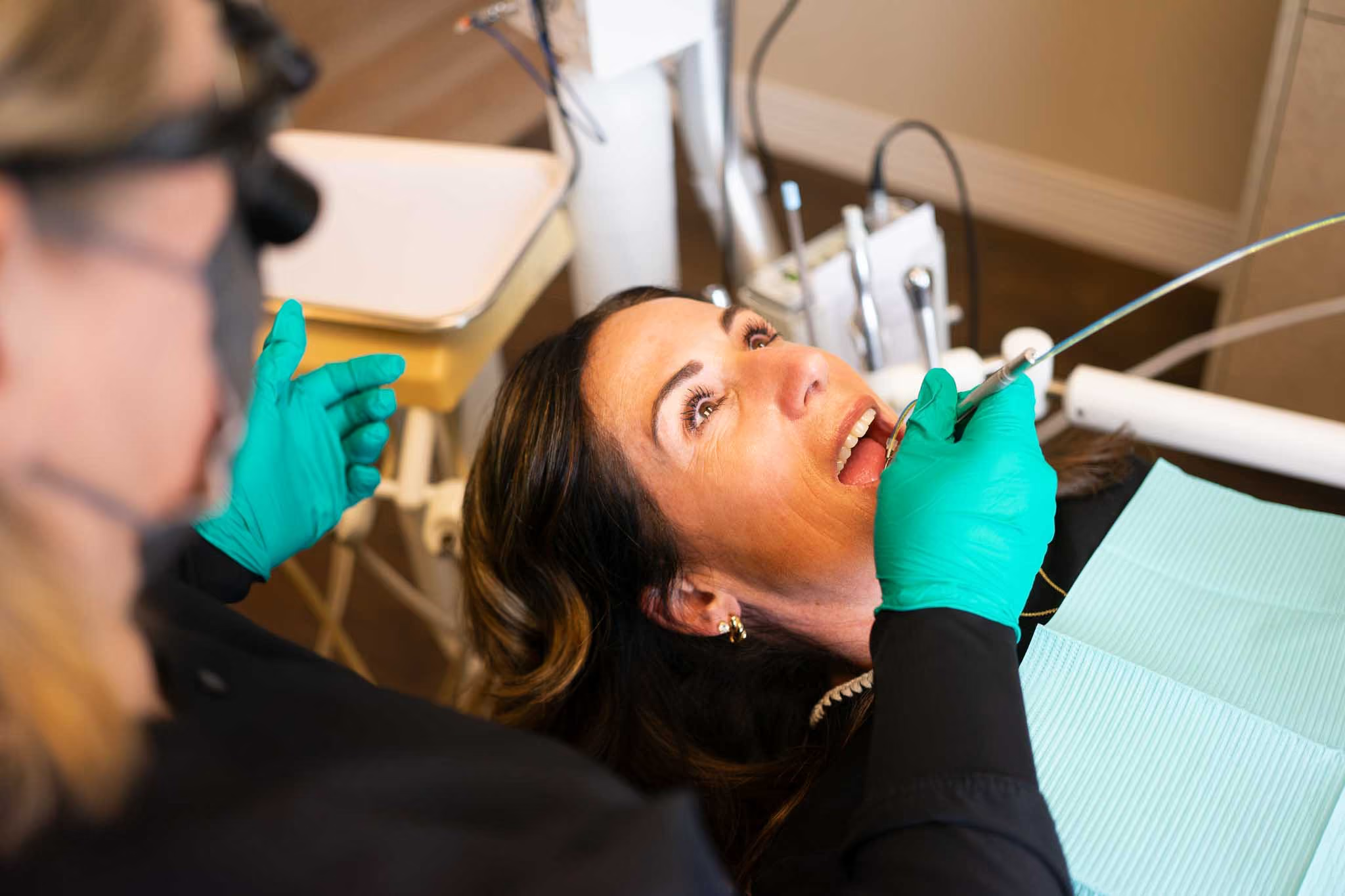
Periodontal care focuses on preserving the health of the supporting structures of your teeth—your gums and underlying bone. Periodontal, or gum, disease is primarily a bacterial-driven condition that can be exacerbated or influenced by your immune system, poor oral hygiene, and systemic conditions like diabetes. Many patients are not in pain, which is why they’re often surprised to learn they have moderate or advanced disease.
As true periodontal specialists, we evaluate the extent of bone loss, pocket depth, and tissue health to determine the most appropriate treatment. Our goal is not just to “treat” the problem temporarily, but to bring your condition to a stable and maintainable state. Every recommendation is guided by what will create long-term oral health.

The benefits of periodontal care
Treating gum disease early and thoroughly protects your teeth, preserves bone, and reduces the risk of future complications. Our approach is designed to provide stability, clarity, and long-term results.
Protect your natural teeth
By controlling infection and inflammation, periodontal treatment helps prevent progressive bone loss and tooth loss, allowing you to maintain your natural smile whenever possible.
Restore stability and comfort
Even if you are not currently experiencing pain, untreated periodontal disease can worsen over time. Treatment brings your condition to a stable, healthier baseline.
Create a long-term maintenance plan
Our goal is not repeated short-term treatment, but a stable outcome that can be maintained through ongoing periodontal care in partnership with your general dentist.
Our periodontal care treatments
Scaling and root planing
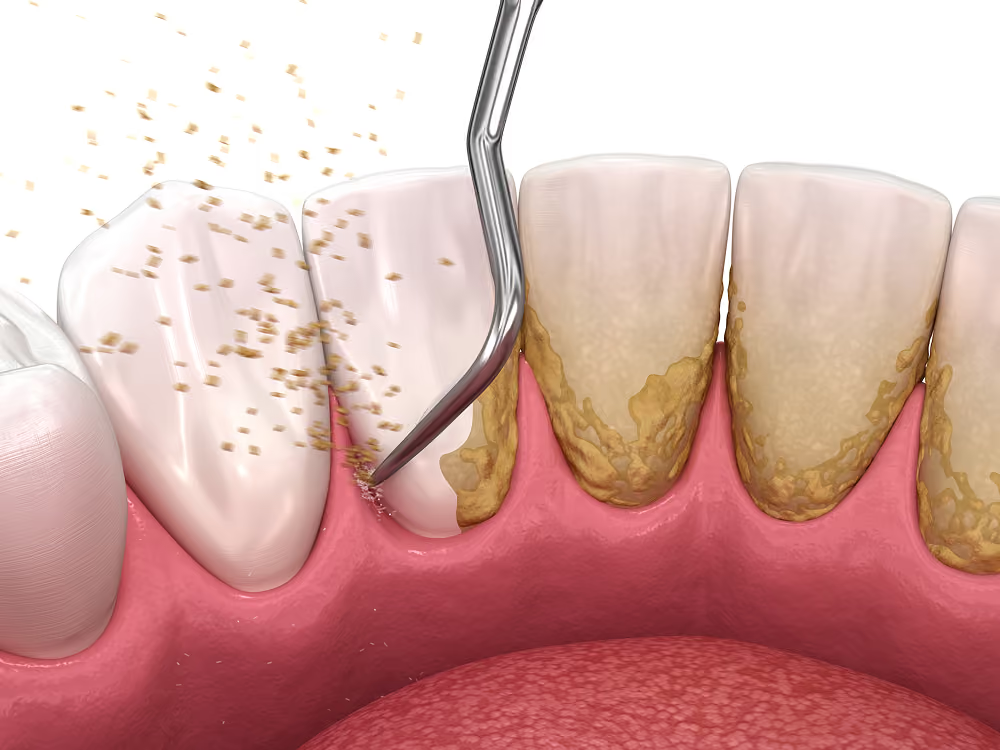
Scaling and root planing, often referred to as a “deep cleaning,” is a non-surgical treatment designed to remove bacteria and calculus from below the gumline. This helps reduce pocket depth and inflammation while promoting healthier attachment around the teeth. In some cases, we use a perioscope, a specialized instrument that allows us to see below the gumline during treatment, so we can remove buildup more precisely.
We carefully evaluate which areas require treatment and monitor healing closely to ensure proper response. In many cases, this therapy is the first step toward stabilizing periodontal disease.
Surgical periodontal therapy
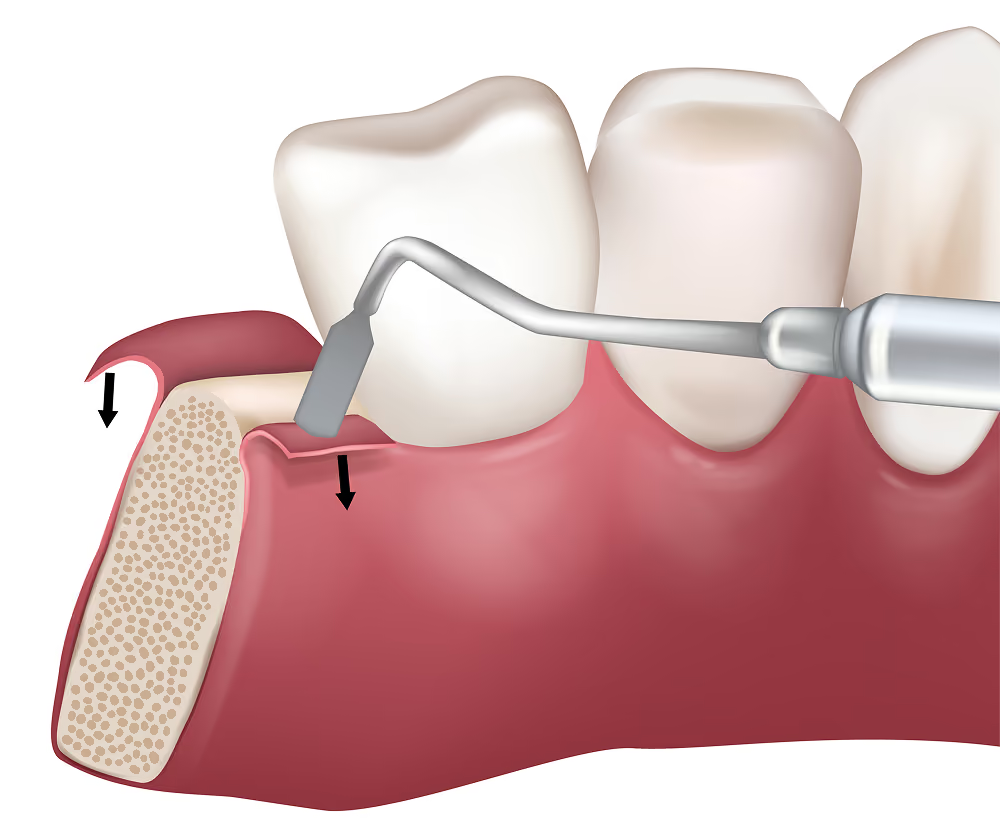
When non-surgical treatment alone is not enough, surgical therapy may be recommended to thoroughly address deep pockets and bone defects. Procedures such as gum flap surgery (osseous surgery) and guided tissue regeneration (GTR) allow us to access and clean affected areas more precisely. Our focus is always on preserving as much healthy structure as possible while creating a maintainable environment for long-term health.
Guided tissue regeneration (GTR)
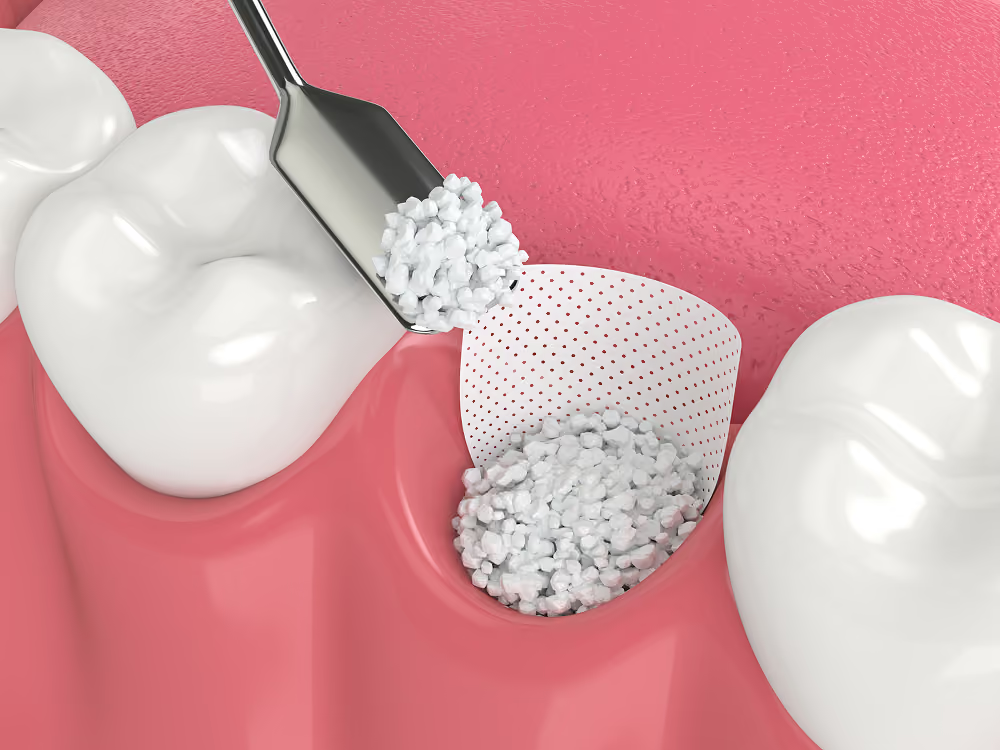
Guided tissue regeneration is used to encourage bone regrowth in areas affected by periodontal disease. Specialized materials help protect the area while new bone forms. This approach can strengthen compromised sites and improve support for natural teeth or future implants. Our treatment recommendations are always tailored to your specific diagnosis and goals.
LANAP laser therapy
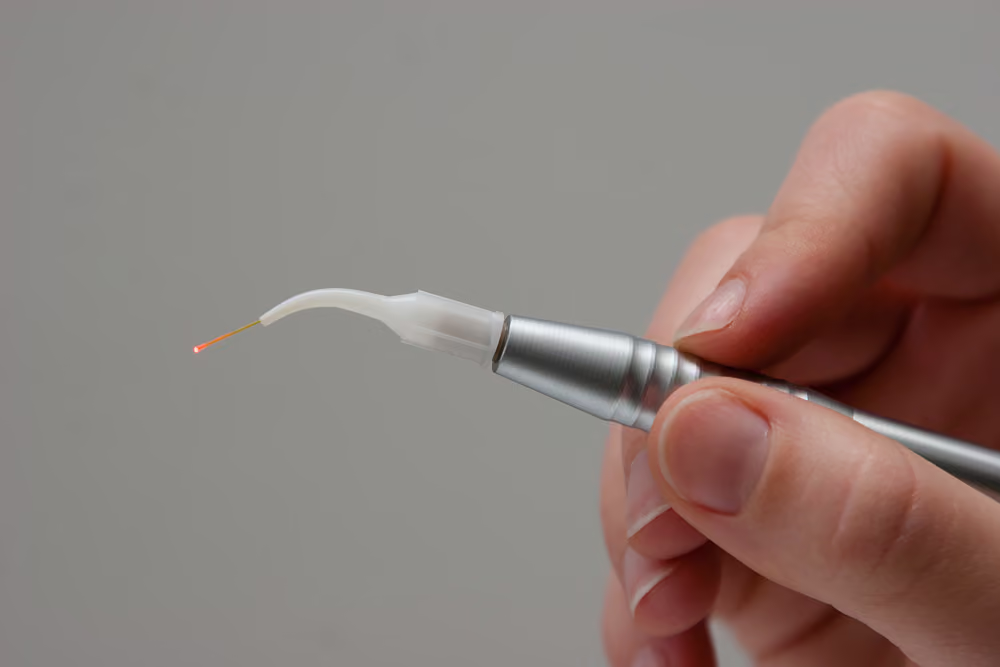
The Laser-Assisted New Attachment Procedure (LANAP) is a minimally invasive surgical option for treating periodontal disease. Using specialized laser technology, we target diseased tissue while supporting healthier attachment. This technique can reduce discomfort and promote more efficient healing compared to traditional approaches in appropriate cases. Not every patient is a candidate, but we will determine whether it is the right fit for your condition.
Periodontal maintenance
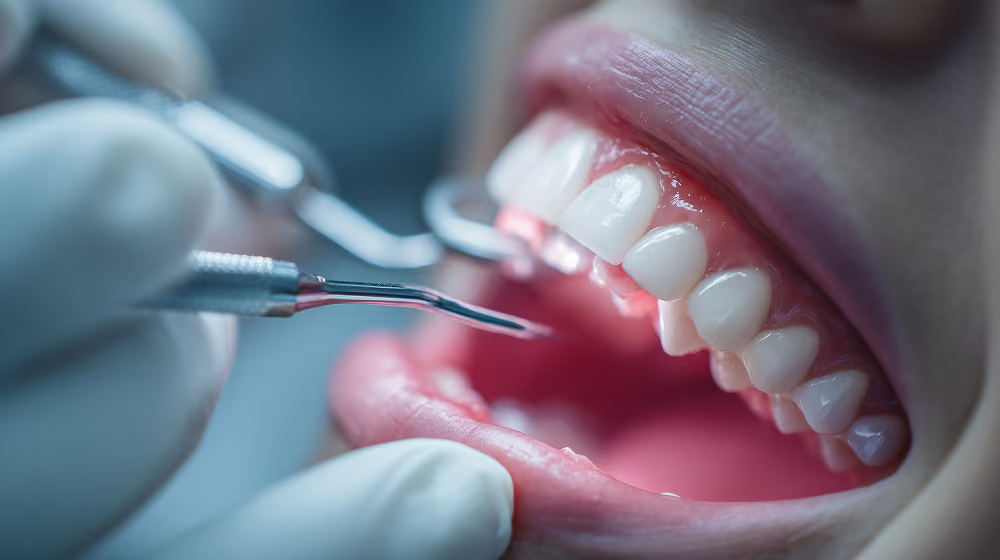
After active treatment, ongoing periodontal maintenance is critical. These specialized cleanings are designed for patients who have been treated for gum disease and require closer monitoring than routine dental cleanings. Maintenance visits allow us to track pocket depth, monitor bone levels, and intervene early if changes occur—helping you protect the results of your treatment.

Perioscope-Enhanced Treatment
A perioscope is a specialized fiber-optic instrument that allows us to visualize below the gumline in real time during non-surgical periodontal treatment. By illuminating and magnifying the root surface, we can identify and remove calculus deposits with a level of precision that is not possible with traditional instrumentation alone. This technology is particularly valuable in areas where visibility is limited, allowing us to be more thorough and conservative at the same time. For appropriate patients, perioscope-enhanced treatment can reduce the need for surgery by achieving more complete results non-surgically.
The periodontal care process
Comprehensive evaluation
Your visit begins with a detailed examination of your gums and supporting bone. We measure pocket depths, evaluate inflammation, and use digital imaging when needed to understand the full picture of your oral health.
Personalized treatment planning
Based on your diagnosis, we explain your condition and review all appropriate treatment options. Recommendations are tailored to your unique needs and long-term goals, not limited by insurance coverage.
Active treatment and long-term maintenance
Once treatment begins, we monitor healing and adjust as necessary. After stabilization, ongoing periodontal maintenance helps preserve your results and maintain a healthy foundation for your teeth.
Frequently Asked Questions
Gum disease is primarily a bacterial-driven condition. It can be exacerbated by poor oral hygiene, your immune response, and systemic health conditions such as diabetes. Over time, the infection leads to inflammation, bone loss, and deep pockets around the teeth if left untreated.
General dentists often refer patients when there is moderate to advanced gum disease, significant bone loss, gum recession, or when surgical intervention may be required. A periodontist has advanced training in diagnosing and treating these conditions to create stable, long-term outcomes.
Many patients with periodontal disease are not in pain. However, the absence of discomfort does not mean the condition is stable. Untreated gum disease can continue to progress, leading to further bone loss and potential tooth loss over time.
Still have questions?
We’re here to provide clarity and guidance. Contact our office to learn more or schedule your consultation.



Monday: 8:00 AM – 4:30 PM
Tuesday: 8:00 AM – 5:00 PM
Wednesday: 8:00 AM – 3:30 PM
Thursday: 8:00 AM – 5:00 PM
Friday: 7:00 AM – 2:30 PM
Saturday & Sunday: Closed