Bone Grafting and Implant PreparationIn IRVINE, CA
If you’ve been told you don’t have enough bone for a dental implant, that doesn’t necessarily mean you’re out of options. Bone grafting and site development procedures are designed to rebuild support and create a stable foundation for long-term implant success.
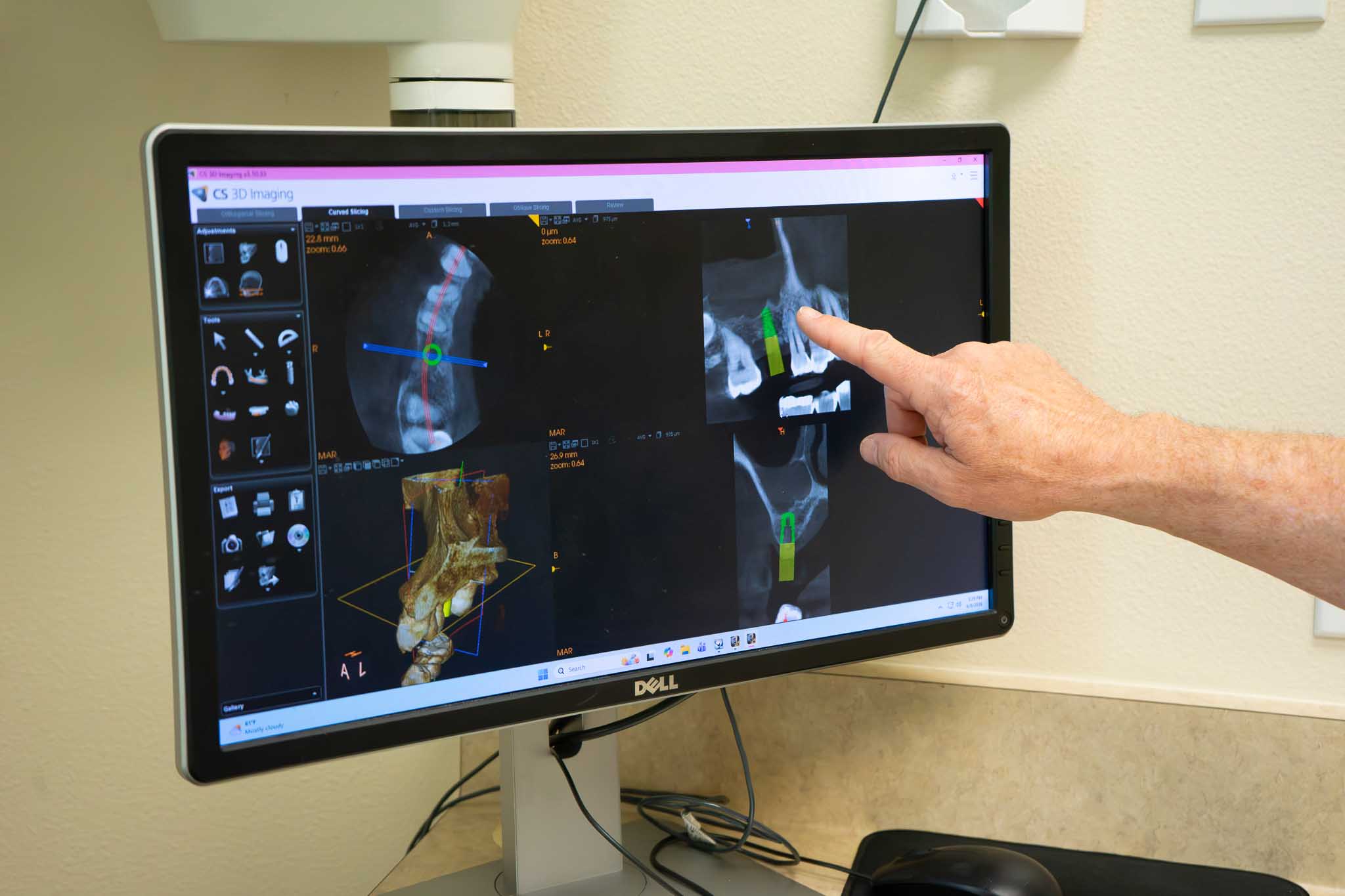
What is bone grafting and implant preparation?
Bone grafting and implant preparation procedures are used to rebuild or strengthen areas of the jaw where bone loss has occurred. When a tooth is lost or periodontal disease progresses, the surrounding bone can resorb over time. In some cases, there may not be enough healthy bone to support a dental implant safely and predictably.
As a periodontal and implant specialty practice, we carefully evaluate bone volume and quality using advanced imaging before recommending treatment. Procedures such as ridge augmentation, sinus lifts, and guided bone regeneration help restore structure and create a stable environment for future implant placement.
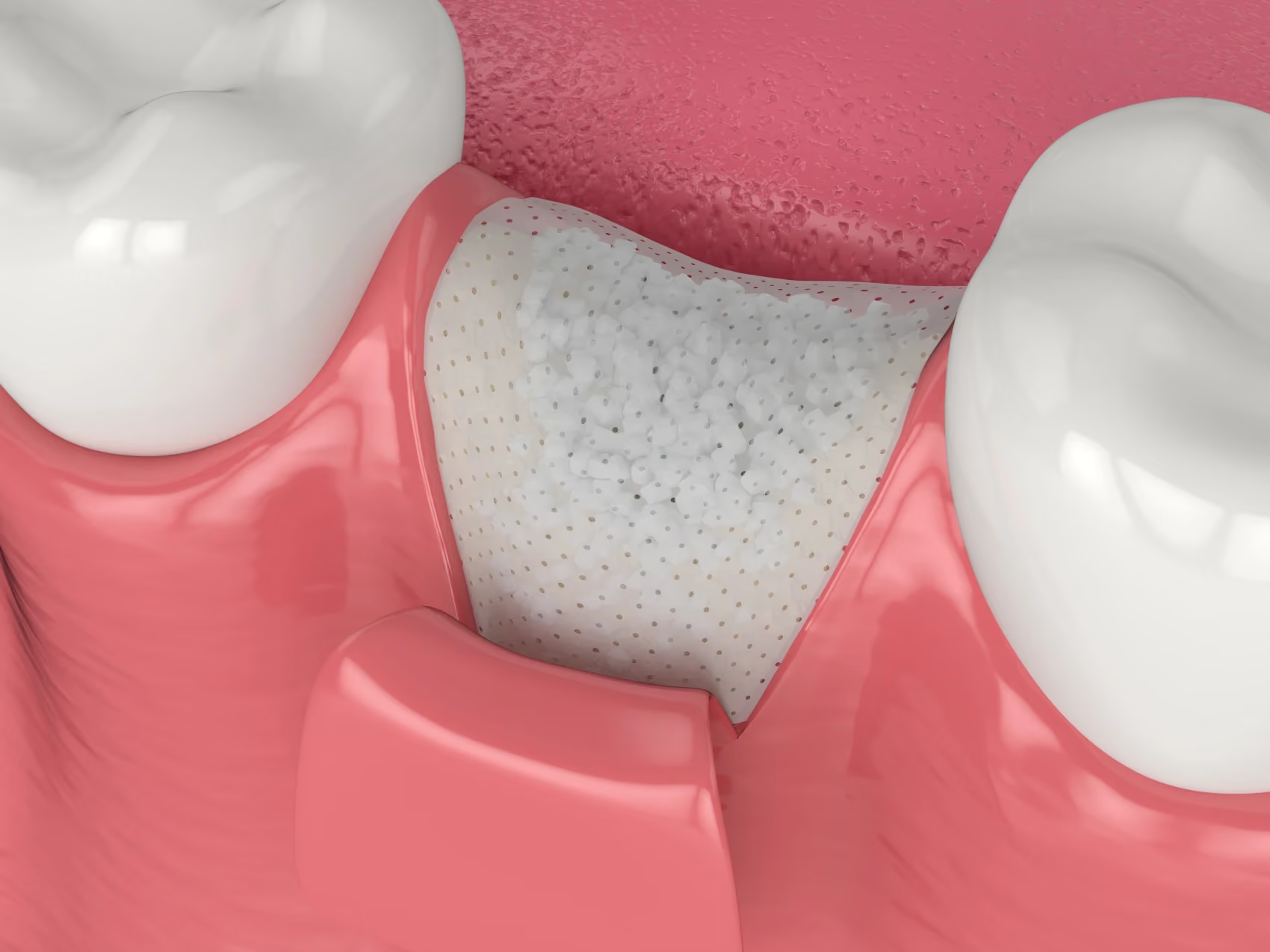
The benefits of bone grafting and implant preparation
Rebuilding lost bone helps create the proper support for implants and protects surrounding teeth and structures. Careful preparation significantly improves the predictability and longevity of implant treatment.
Create a stable implant foundation
Adequate bone volume is essential for proper implant placement. Grafting procedures help ensure the implant is supported for long-term success.
Preserve facial structure
Bone loss can affect both function and facial contours. Rebuilding the jawbone helps maintain structural integrity and support.
Improve long-term predictability
Addressing bone deficiencies before implant placement reduces complications and enhances the stability of the final restoration.
Our bone grafting and implant preparation treatments
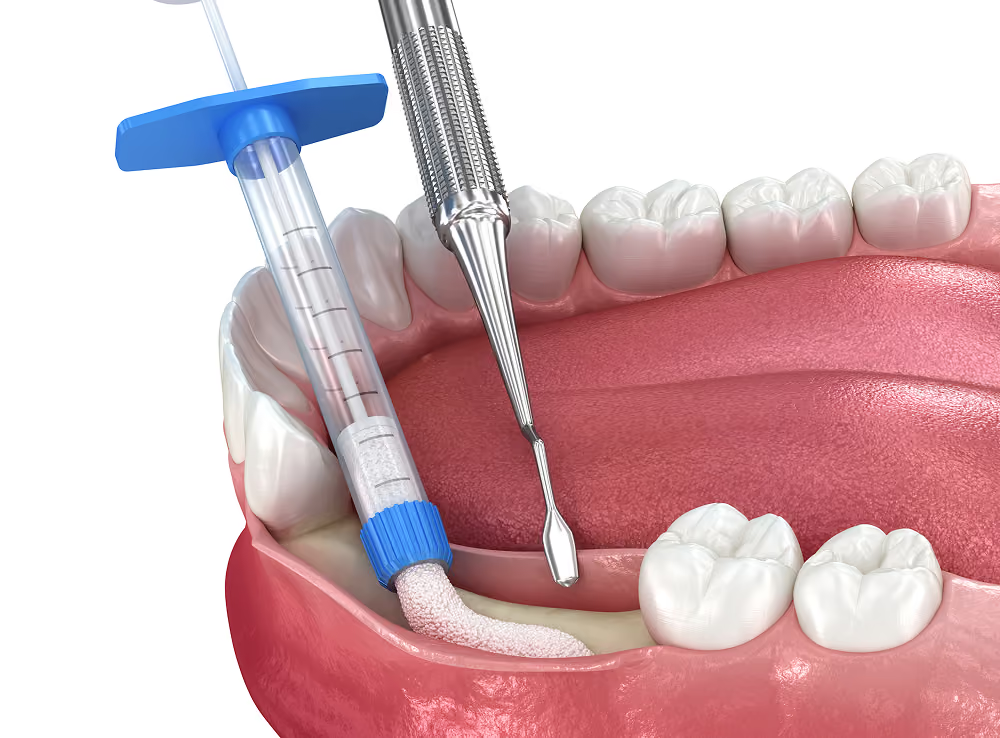
Ridge augmentation
Ridge augmentation is performed when the jawbone has narrowed or deteriorated following tooth loss. This procedure rebuilds the width or height of the ridge to support future implant placement. By restoring proper contours, we create a more predictable environment for implant stability and aesthetics. Careful planning ensures the graft integrates properly and supports long-term function.
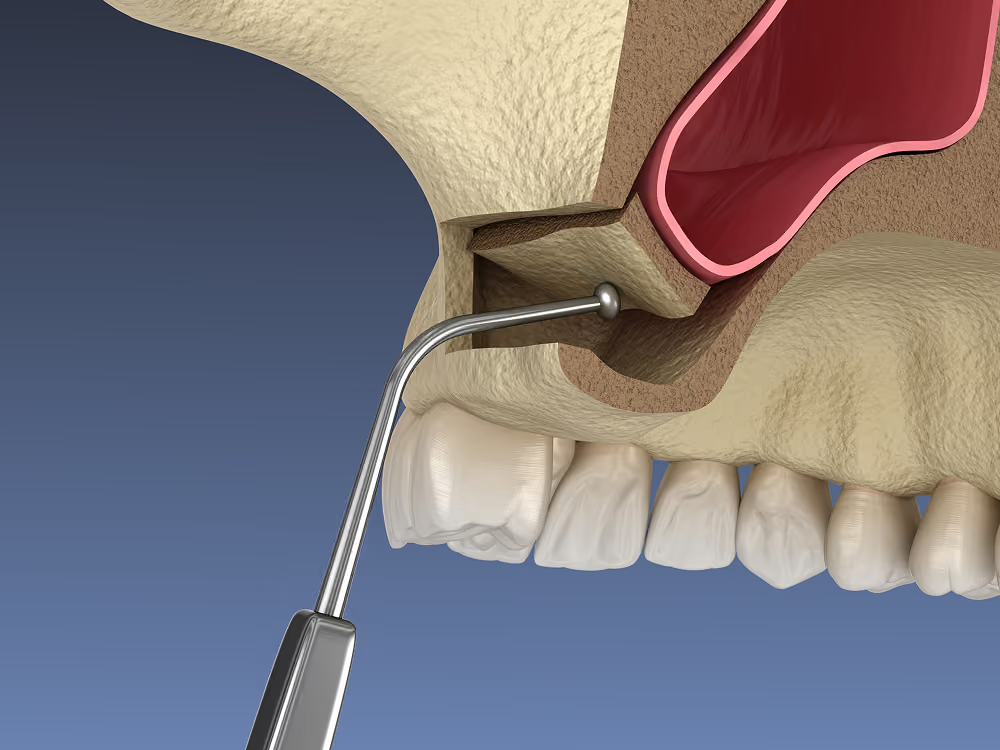
Sinus lifts
In the upper back jaw, the sinus cavity may limit available bone height for implants. A sinus lift procedure gently elevates the sinus membrane and adds bone material to create additional support. This allows implants to be placed safely in areas that might otherwise lack adequate bone. Proper evaluation and precise technique are critical to long-term success.
Socket preservation
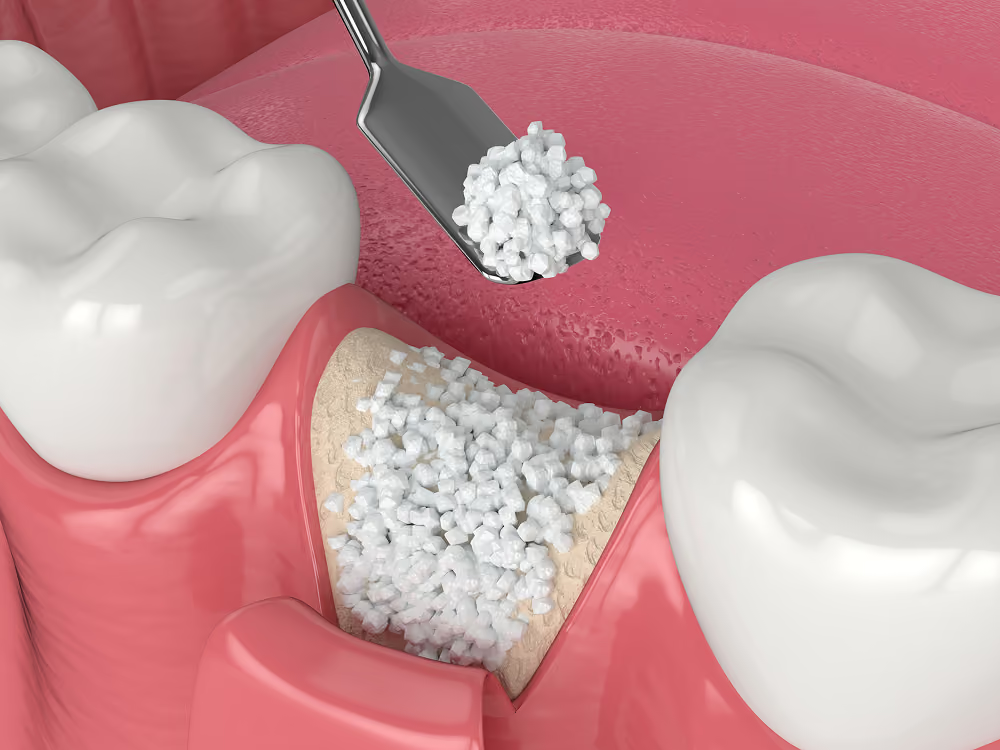
Bone grafting is not only performed to prepare for dental implants. In many cases, it is recommended for socket preservation, to rebuild bone that has been lost due to periodontal disease, infection, or tooth extraction. Restoring bone helps preserve the integrity of the socket, protect surrounding teeth, maintain facial structure, and create a healthier foundation overall. Our approach focuses on long-term stability, ensuring that treatment supports your oral health well into the future.
The bone grafting and implant preparation process
Comprehensive imaging and planning
We begin with a detailed evaluation, including digital CBCT imaging, to assess bone volume and determine the most appropriate grafting approach. Accurate diagnosis is essential to predictable outcomes.
Precision grafting procedure
During the procedure, bone material is placed in the deficient area to rebuild support. For patients who prefer additional comfort, coordinated conscious sedation with a dedicated anesthesiologist is available when appropriate.
Healing and implant readiness
The grafted area is allowed to heal and integrate with your natural bone over time. Once sufficient stability is achieved, implant placement can proceed with greater confidence and predictability.
Frequently Asked Questions
When a tooth is missing for an extended period or significant bone loss has occurred, there may not be enough structure to securely support an implant. Bone grafting rebuilds that support to create a stable foundation.
Healing time varies depending on the size and location of the graft. In many cases, several months are required for the grafted area to integrate fully before implant placement can proceed.
Most patients tolerate bone grafting procedures well. We provide detailed post-operative instructions and offer comfort options such as coordinated conscious sedation when appropriate.
Still have questions?
We’re here to provide clarity and guidance. Contact our office to learn more or schedule your consultation.

Monday: 8:00 AM – 4:30 PM
Tuesday: 8:00 AM – 5:00 PM
Wednesday: 8:00 AM – 3:30 PM
Thursday: 8:00 AM – 5:00 PM
Friday: 7:00 AM – 2:30 PM
Saturday & Sunday: Closed