Tooth ExtractionsIn IRVINE, CA
When a tooth cannot be saved, careful removal is sometimes the healthiest next step. Our focus is on preserving surrounding bone and creating a stable foundation for long-term oral health.
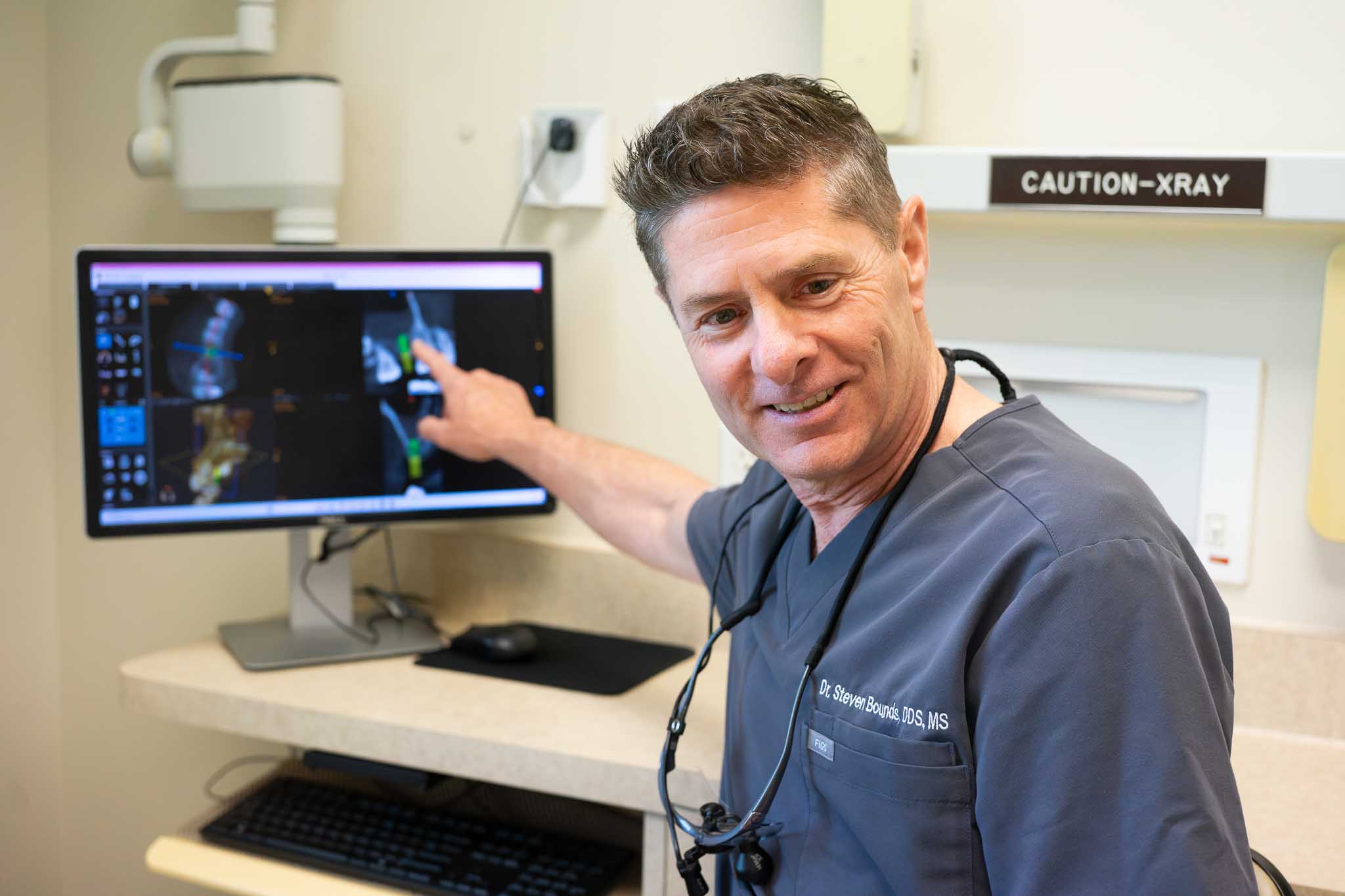
What are tooth extractions?
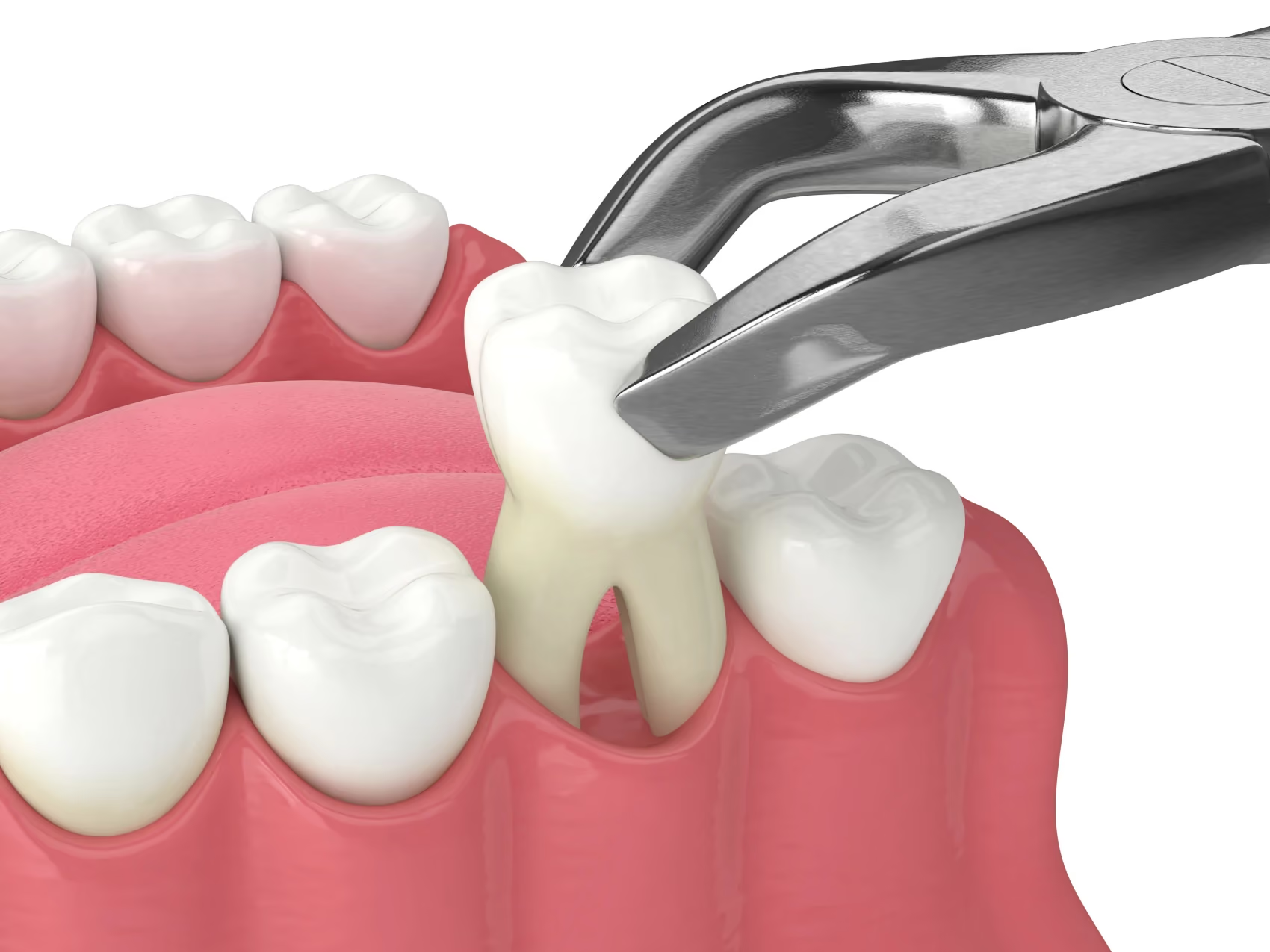
Tooth extractions involve the removal of a tooth that is severely damaged, infected, or no longer restorable. While our goal is always to preserve natural teeth whenever possible, there are situations where removing a tooth is the most predictable way to protect overall oral health.
We often perform extractions when bone loss, advanced periodontal disease, or extensive decay or damage make restoration unrealistic. Careful surgical technique is especially important when future implant placement is being considered. Our approach prioritizes precision, comfort, and long-term planning, preparing the site for what comes next.
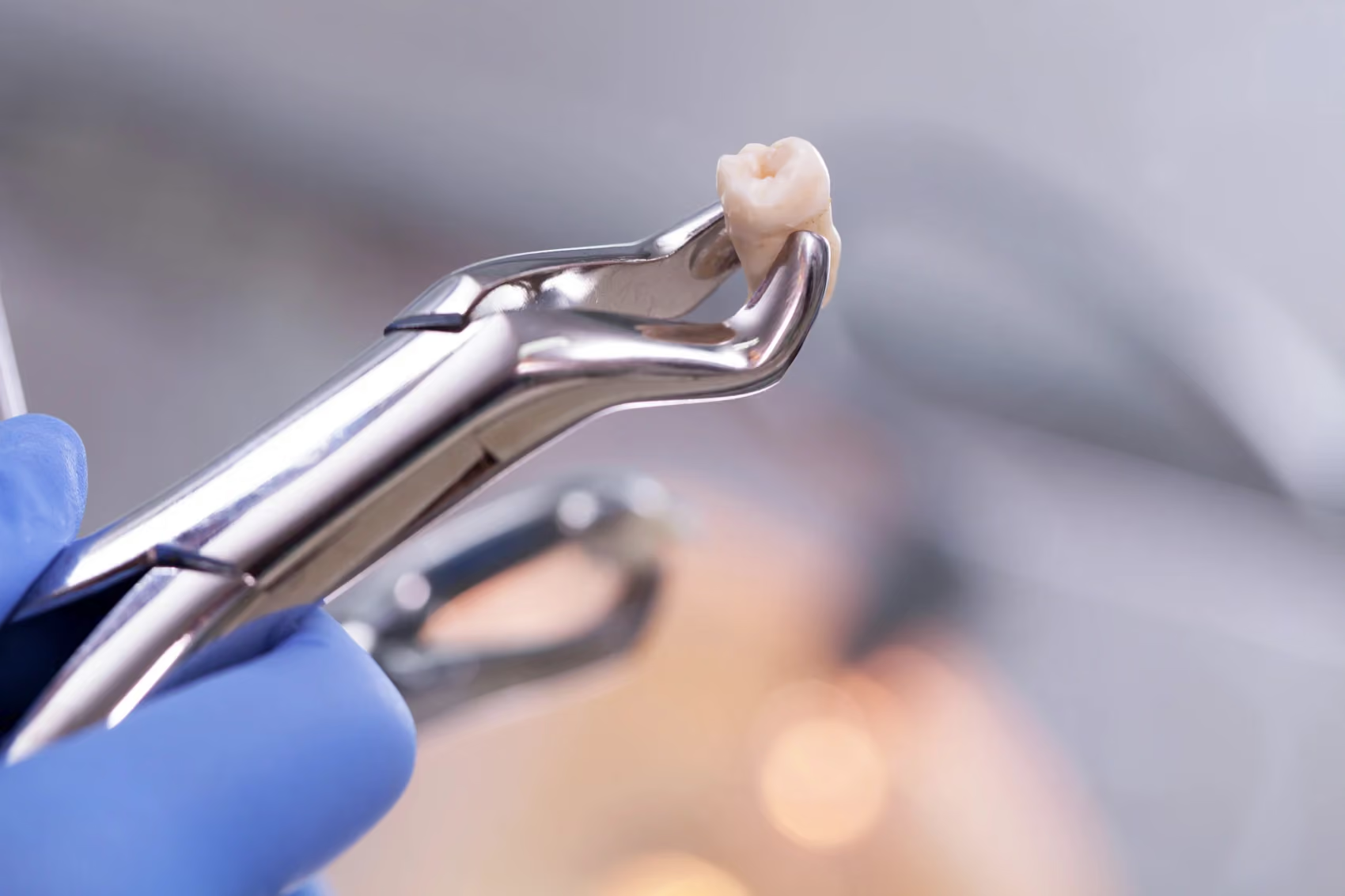
The benefits of timely tooth extraction
When a tooth is severely compromised, delaying removal can lead to further bone loss, infection, or damage to neighboring teeth. Thoughtful surgical extraction can protect your long-term oral stability.
Prevent further infection
Removing a severely infected or non-restorable tooth helps prevent the spread of bacteria and inflammation to surrounding structures.
Preserve bone for future treatment
In many cases, extraction is performed with future implant placement in mind, helping preserve bone and create a stable foundation.
Reduce discomfort and complications
Addressing the problem promptly can relieve symptoms and prevent more complex issues from developing over time.
Types of extractions
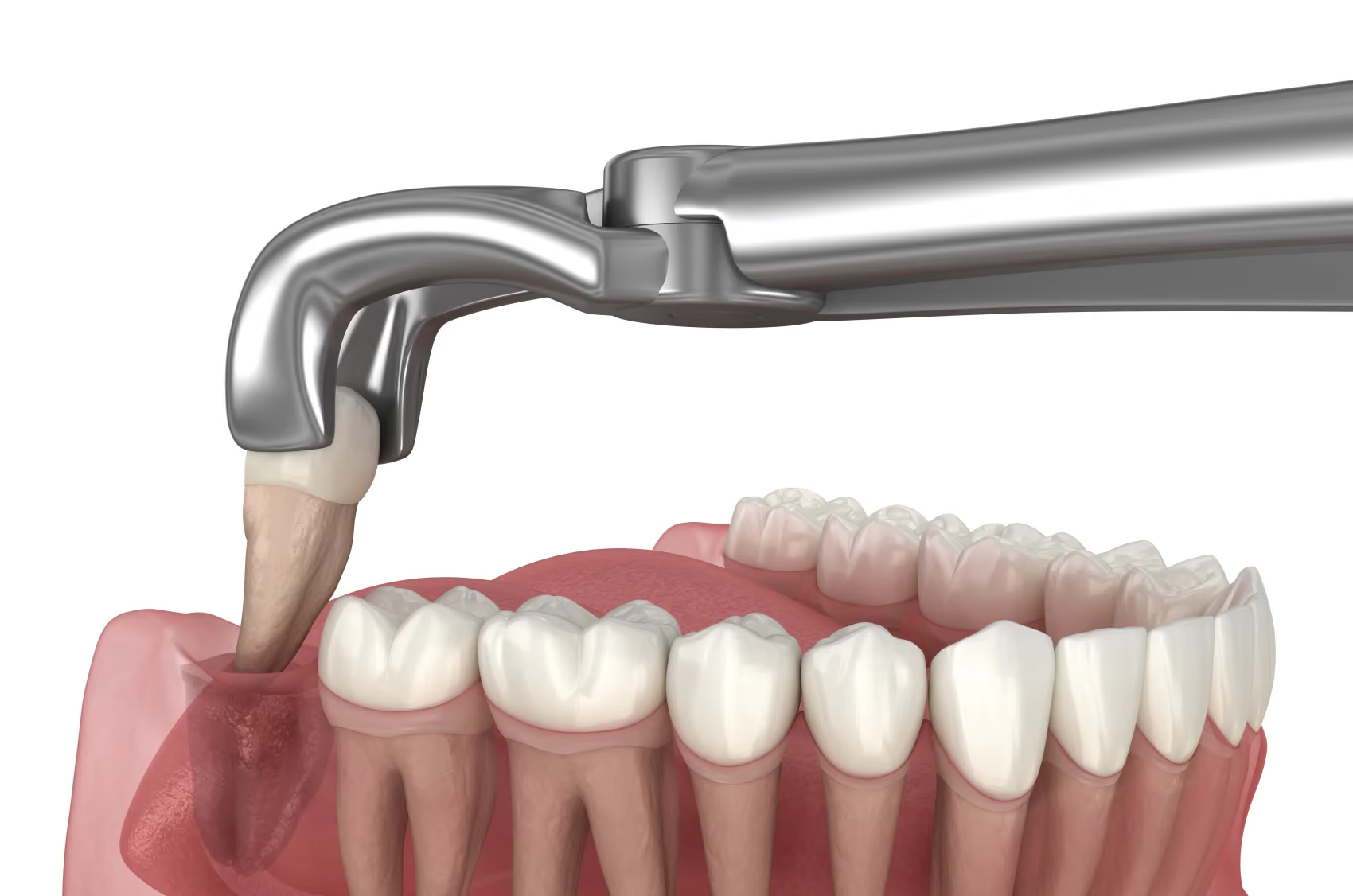
Basic surgical extractions
Basic surgical extractions are performed when a tooth cannot be restored due to advanced decay, fracture, or periodontal disease. We use precise techniques to minimize trauma to surrounding bone and tissue. Careful planning helps ensure proper healing and, when appropriate, prepares the site for future implant placement. Our goal is always long-term stability.
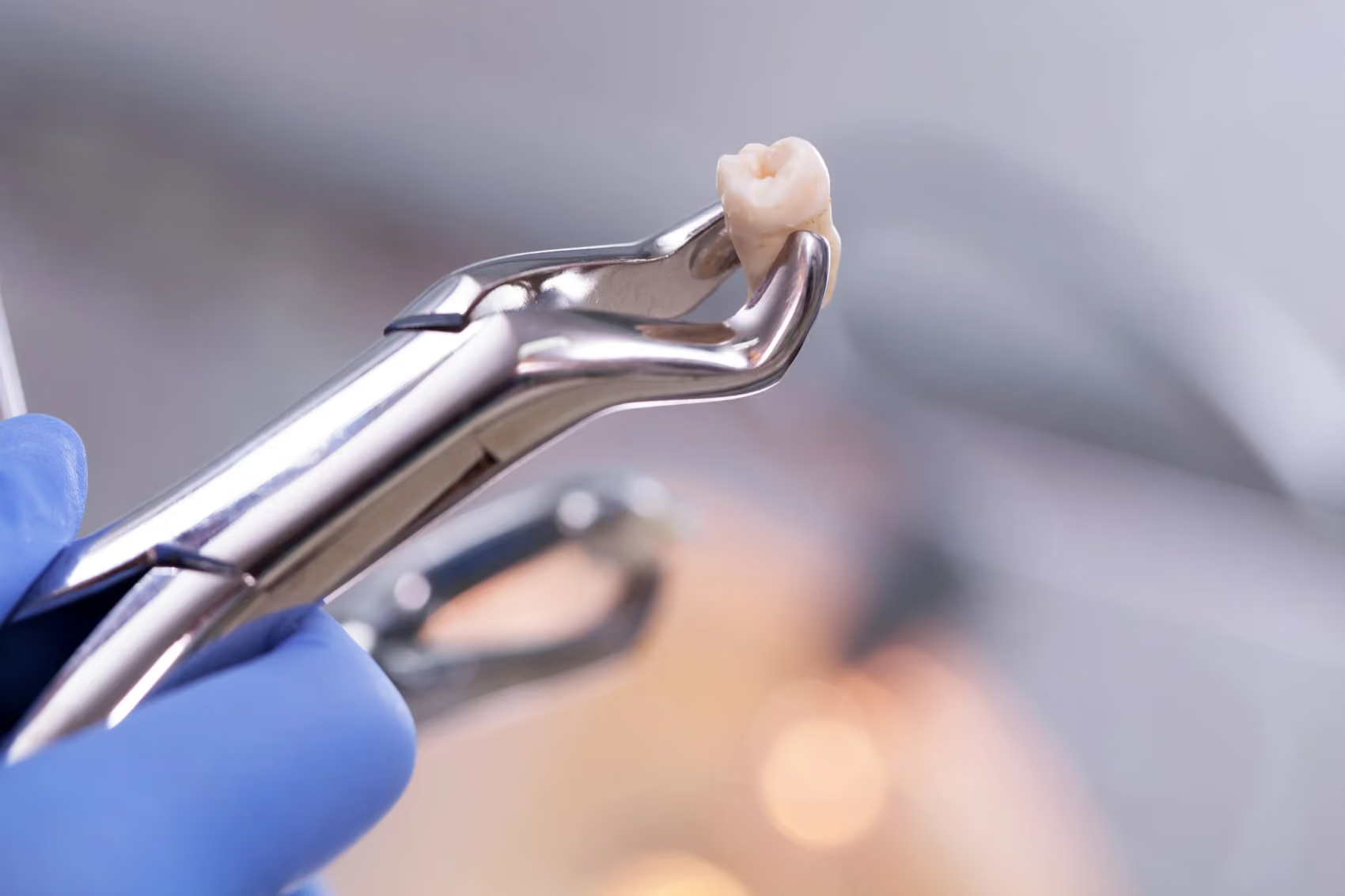
Extractions with site preservation
When an implant is planned, socket preservation or bone grafting may be recommended at the time of extraction. This helps maintain bone volume and create a more predictable environment for future restoration. Addressing the site immediately often reduces the need for more extensive grafting later. Treatment decisions are always based on what will provide the most reliable long-term outcome.
Complex extractions
In cases of advanced periodontal disease, teeth may become severely compromised by bone loss. As specialists in gum and bone health, we carefully evaluate whether extraction is necessary and ensure surrounding structures are protected during the procedure. Our focus is on resolving infection while maintaining as much healthy support as possible.
The extraction process
Comprehensive evaluation
We begin with a detailed examination and imaging to assess the condition of the tooth and surrounding bone. If an implant or graft is planned, this is discussed before the procedure.
Gentle surgical removal
The tooth is carefully removed using techniques designed to preserve as much surrounding bone and tissue as possible. Conscious sedation coordinated with a dedicated anesthesiologist is available when appropriate.
Healing and next steps
After the extraction, we provide clear post-operative instructions and monitor healing. If future implant placement is planned, we guide you through the timeline for the next phase of treatment.
Frequently Asked Questions
Whenever possible, we aim to preserve natural teeth. However, if a tooth is severely compromised by decay, fracture, or advanced periodontal disease, extraction may provide the most predictable long-term solution. During your consultation, we review all appropriate options.
Most patients tolerate extractions well. We use local anesthesia and also offer coordinated conscious sedation with a dedicated anesthesiologist when appropriate to support your comfort.
Healing begins immediately after extraction. If an implant is planned, additional procedures such as bone grafting may be performed to preserve the site. We provide detailed instructions to help ensure smooth recovery.
Still have questions?
We’re here to provide clarity and guidance. Contact our office to learn more or schedule your consultation.


Monday: 8:00 AM – 4:30 PM
Tuesday: 8:00 AM – 5:00 PM
Wednesday: 8:00 AM – 3:30 PM
Thursday: 8:00 AM – 5:00 PM
Friday: 7:00 AM – 2:30 PM
Saturday & Sunday: Closed